
Engineering: Storm Water Program
Protecting Our Water Quality
The term stormwater refers to surface water that flows across the land into creeks, rivers, and lakes. When it rains, stormwater runoff picks up pollutants such as litter, fertilizer, pesticides, grass clippings, or pet waste and carries them to the storm drain. Storm drains convey water directly into our waterways without any treatment or filtration. It will eventually find its way to area lakes, which are the primary water supply for most cities in Texas.
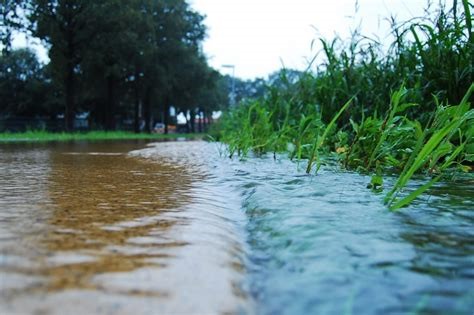
Polluted storm water runoff from urbanized areas is a major cause of pollution. In Texas, The Texas Commission on Environmental Quality (TCEQ) is responsible for implementing Clean Water Act regulations. If you have any questions about the TCEQ Storm Water Program, please visit the TCEQ website. The regulations that affect Collin County are commonly called the Phase II Storm Water Program.
Collin County has prepared a Storm Water Management Program (SWMP) to comply with the requirements of the TCEQ's Texas Pollutant Discharge Elimination System (TPDES) General Permit TXR040000. On June 8, 2009, Collin County received MS4 Permit Number TXR040035 from the TCEQ.
The objective of the SWMP is to implement a program to reduce the discharge of pollutants in stormwater. This program was developed with much coordination between the County and community to customize a program for Collin County that not only meets state and federal program requirements but also utilizes current activities, addresses issues that are important to the community, and is economically feasible.
The SWMP prepared by Collin County is a five-year program to reduce storm water pollution in the creeks and streams in the unincorporated, urbanized areas of the county.
A schedule to implement the SWMP, as well as measurable goals to track the implementation progress, has been developed.
The TCEQ permit requires that our SWMP include practices in six categories:
- Public Education and Outreach
- Public Involvement/Participation
- Illicit Discharge Detection and Elimination
- Construction Site Stormwater Runoff Control
- Post-Construction Stormwater Management
- Pollution Prevention and Good Housekeeping for Municipal Operations
A copy of our SWMP may be downloaded.
We are currently in our fourth (5-year) permit term. This current permit is good through 2029. Copies of the County's annual reports, for the current permit term, can be found below. Past permit term programs and annual reports can be requested by contacting the Collin County Engineering Department at (972) 548-3727.
Sources of Stormwater Pollution
Pollution comes from a wide variety of sources such as litter, pet waste, and yard waste. This means that each one of us can have a huge impact on surface water quality in our community and for our neighbors downstream.
Pet Waste
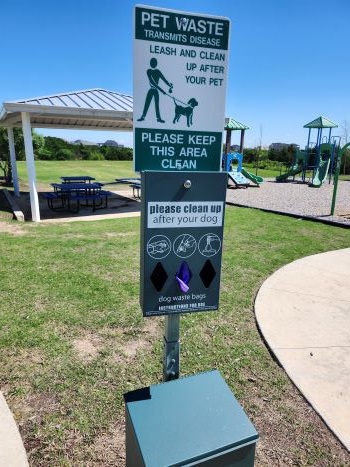
Improperly disposed pet waste can be washed into storm drains by rainfall or the runoff from sprinklers and other landscape watering. Our storm drains go into our streams, carrying pollutants along with the water. This water does not go through a treatment process.
Pet waste in the water increases bacteria levels, which can cause gastrointestinal problems and skin reactions, making the water unsafe for swimming and other activities. Pet waste also uses up the available oxygen for aquatic life and may release harmful ammonia into the water. Low oxygen levels and ammonia, combined with warm temperatures, can cause a fish kill. Pet waste also contains nutrients that stimulate weed and algae growth.
See the North Central Texas Council of Governments Pet Waste webpage to learn more about how to properly dispose of pet waste.
Yard Waste
Grass clippings, tree leaves, and other yard waste are natural but can still pollute our local waterways. As yard waste breaks down or decomposes in a local waterway or lake, it depletes the oxygen in the water. Fertilizers can also cause a significant impact when applied incorrectly. Learn more about the proper way to apply fertilizers by reading AgriLife's Lawn Fertilization for Texas Warm Season Grasses (PDF). Visit the North Central Texas Council of Governments Yard Waste webpage to learn other yard care techniques.
What is Illicit Discharge?
Anything entering our storm sewer system that is not 100% storm water is an illicit (i.e., illegal) discharge. To protect the quality of our streams and public health, we encourage you to report illicit discharges.
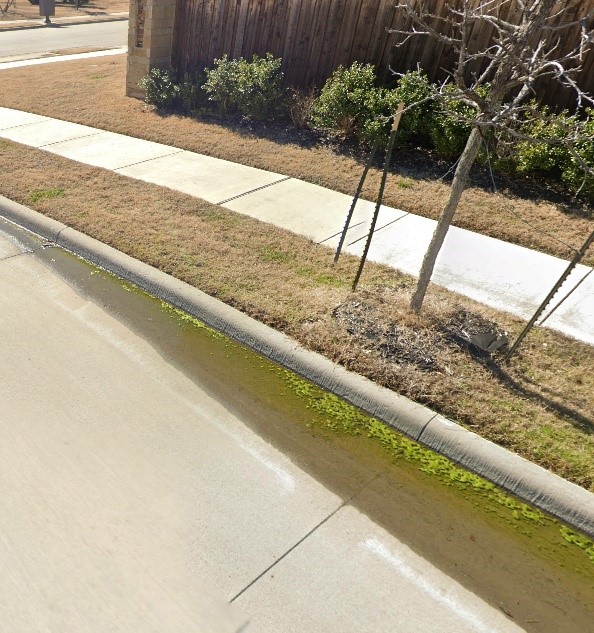
- Chlorinated backwash and draining associated with swimming pools
- Fats, oils, and grease from residential or commercial cooking activities
- Fertilizers, pesticides, lawn/landscape waste
- Household toxins
- Industrial discharges
- Oil, anti-freeze, paint, cleaning fluids
- Sanitary sewer discharges
See the North Texas Defend Your Drains webpage for guidance on how to properly dispose of fats, oils, and grease (FOG).
Report-A-Polluter
Spilling, dumping, or discharging chemicals, dirt, debris, oil or other non-stormwater substances into ditches, creeks, streams, curb drains, storm drains, or the river is a violation of federal, state, and local regulations. Allowing sediment or chemicals to wash off a construction site is also a violation. If you have witnessed an act that you feel is a violation of clean water regulations, anywhere within the county, please report the activity to the Collin County Engineering Department at (972) 548-3733 or send an email to [email protected].
If calling after regular Collin County business hours (M-F, 8 a.m. to 5 p.m.) and the problem requires immediate attention, please call the North Central Texas Region Illegal Dumping 24-hour hotline at 1-888-335-DUMP or call 911.
Used Oil Recycling
Recycling your used oil helps the environment, saves energy and protects our drinking water. To find a collection center near you, please go to www.recycleoil.org